.png)
Borrowed vs. Owned Attention: The AI Visibility Shift
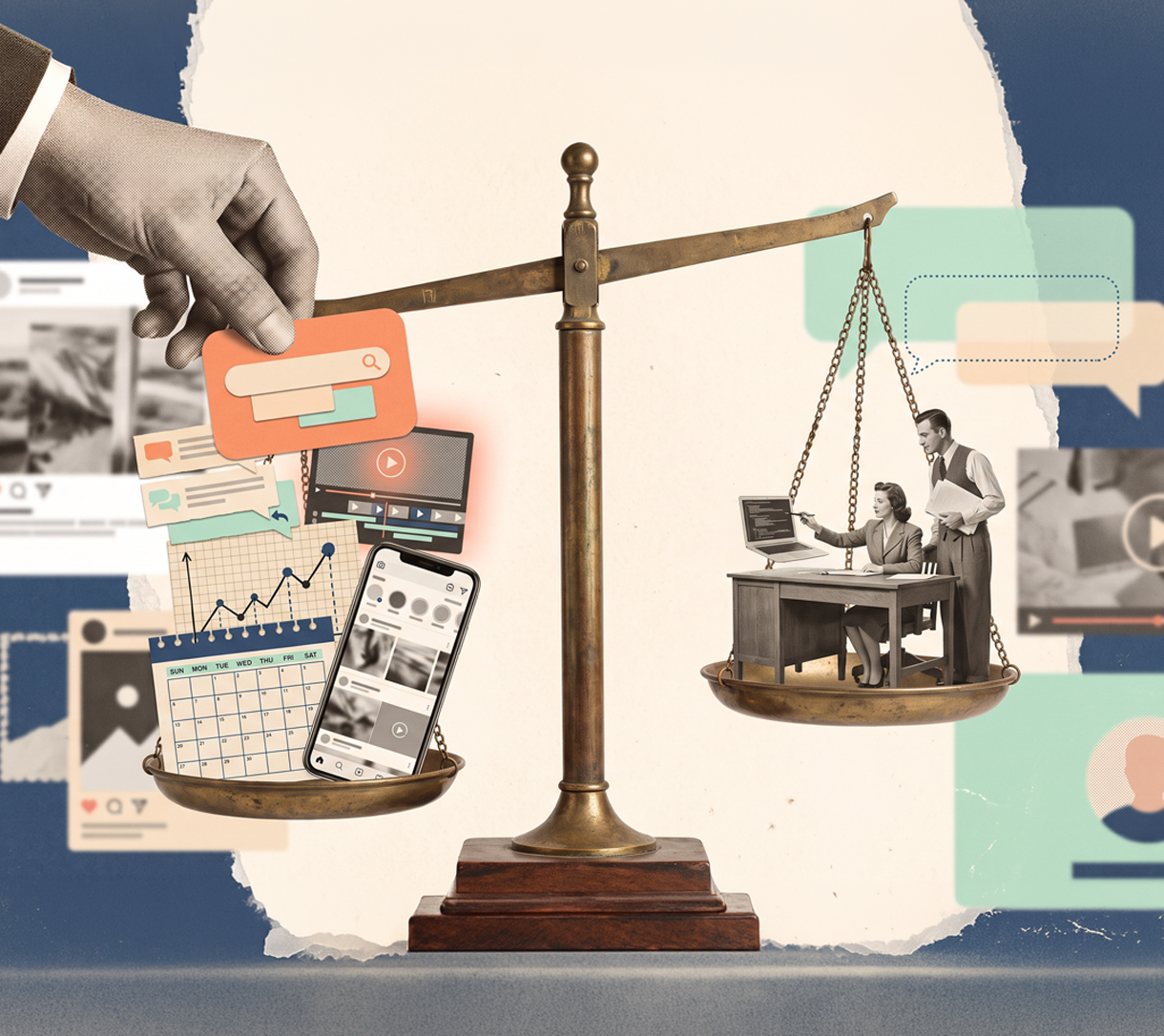
Every sponsorship dollar a brand spends on this World Cup expires when the contract does. Every content dollar invested in AI visibility compounds, and keeps earning attention every time a customer asks the question. That gap between borrowed and owned attention is the most consequential shift in tentpole marketing since broadcast.
The 2026 World Cup shows the split in real time. Five official sponsors paid $300M+ combined for tournament-window rights. Their contracts delivered exactly what was bought: signage, broadcast minutes, hospitality, category exclusivity. None included content structured for AI search, because AI search barely existed when most of those contracts were negotiated. Across the AI engines 65% of U.S. adults now use weekly, Visa is the one sponsor consistently appearing in the answers, and the only one that built a separate workstream around AI presence alongside the signage.
The most cited B2B marketing case study this year sponsors nothing at all. Liquid Death cleared a $1.4 billion valuation without a single traditional sports sponsorship, on the strength of owned content, entity authority, and a searchable narrative. Every dollar of that work is still earning attention today.
Remember when the guerrilla move was sneaking 36 women in orange dresses past stadium security to flank an official sponsor? In 2026, the guerrilla move is owning the structured-content layer that AI engines pull from when consumers ask the questions every tentpole brand cares about. The cost of entry is content investment. The sponsorship contract is optional.
How We Tested AI Visibility: 5 World Cup Sponsors, 3 Engines, 75 Queries
In May 2026, six weeks before kickoff, Gist GEO ran 75 auto-generated queries on 5 official FIFA World Cup 2026 sponsors across the three AI engines U.S. consumers use most: ChatGPT, Google AI Overviews, and Perplexity. We picked a cross-section of the FIFA partnership pyramid: three Tier 1 Partners (Adidas, Coca-Cola, Visa) and two Tier 2 World Cup Sponsors (Bank of America, McDonald's).
Each brand got 5 IP-first topic anchors mapped to what it actually paid for, like Adidas's Trionda match ball and McDonald's FIFA Player Escort program. Each anchor seeded 3 queries: one brand-forward, two category-shallow, because brand-forward queries test whether sponsorship converts into AI recommendations, and category-shallow queries test the open field any brand can win. We tracked six metrics on every result: Share of Voice, Share of Recommendations, Share of Citations, Earned Media Score, Placement, and Sentiment. Our measurement framework covers the full setup, and the per-query data appendix ships with the report.
The Results: Only 1 of 5 World Cup Sponsors Wins in AI Search
Visa won the Marketing Cup with 218 AI recommendations across 15 queries at a 48.3% recommendation rate, the only sponsor over 25%. The other 4 sponsors combined for 255.
Nike, which is not a FIFA Partner but supplies kits to multiple 2026 teams (USA, England, Brazil, France, Portugal, Netherlands, Canada), while niche boot brand Mizuno posted the highest recommendation rate in the entire dataset at 70.3%. Bank of America, the first-ever official banking partner, and McDonald's, with 30 years of Player Escort heritage, earned 1 recommendation each across 1,000+ logged messages per brand.
Even the winner had blind spots. Two queries about stadium payment technology that Visa funded and owns returned zero Visa mentions, because neither activation has a landing page an engine can find.
The full report breaks down each of the 5 brands with recommendation rates, mention counts, top-converting query shapes, and the non-sponsor brands absorbing the citations sponsors paid for. If you work at one of the 16 official sponsors, your scorecard shows exactly where the leak is.
3 AI Visibility Patterns That Hold for Any Brand
Pattern 1: Sponsorship tier buys mentions; converting them is its own job. Tier 1 Partners averaged 539 mentions per brand against 44 for Tier 2, a 12x gap that tracks spend exactly. Only one Tier 1 brand converted those mentions into recommendations. The premium check puts you on the field. Whether the engine passes you the ball is decided by the structured content layer your team builds.
Pattern 2: Branded queries convert; category queries stay open for whoever shows up. The strongest recommendation rates came from queries naming the brand. The weakest came from generic experiential queries: events near me, fan activities, family things to do during the tournament. No sponsor fills that category vacuum. For non-sponsors, the vacuum is your open field.
Pattern 3: Single-fact value props beat experiential bundles, regardless of spend. Visa sells one thing, exclusive payments, and engines surface it five different ways. Brands selling five-legged experiential bundles saw engines pick a different leg each time, with thin conversion on all of them. If your tentpole story has five legs, pick one to lead with.
The New Guerrilla Playbook (Teaser)
Any brand planning a tentpole moment has weeks or months of runway before kickoff. Four moves get the engines on your side inside that window: publish IP-anchored landing pages that open with a direct answer, structure FAQPage schema around the actual question shapes engines hear, secure named trade-press placement on publishers the engines already cite, and cross-link to whatever source the engines treat as the truth for your moment.
The full report walks through each tactic with example schema blocks, plus the 30/60/90-Day Sponsorship Recovery Roadmap that maps every move to the pre-event, runway, and execution windows.